
Parallel Parenting vs. Co-Parenting: What New Jersey Parents Should Know
New Jersey Family Law Lawyers Explain Two Approaches to Raising Kids Apart
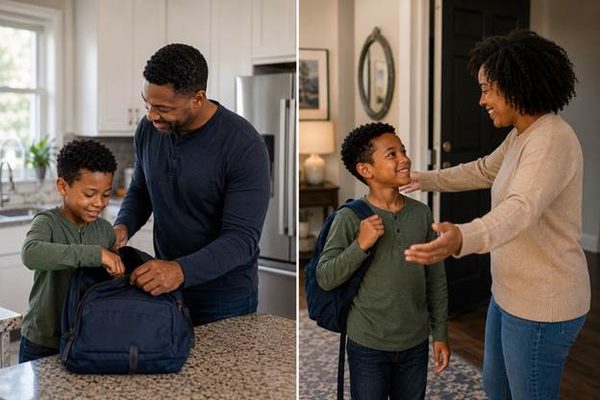
Two divorced parents can raise the same children well without ever agreeing on how to talk to each other. One family might handle every decision together over coffee. Another might barely exchange a text message and still raise confident, well-adjusted children. New Jersey family law recognizes both approaches – parallel parenting and co-parenting. Understanding the difference between them can shape how a custody arrangement actually works day to day.
At Williams Law Group, LLC, our New Jersey family law attorneys regularly help parents build a custody arrangement best suited to address their parenting needs and style. In particular, we work closely with clients to develop a structure that protects their children and each parent’s unique needs. We also understand the pros and cons of a wide range of parenting approaches when it comes to child custody arrangements.
What Is the Difference Between Co-Parenting and Parallel Parenting?
Co-parenting describes an arrangement where both parents communicate directly and regularly about the children. They coordinate schedules, discuss school and medical decisions together, and often attend events as a unit. This model works well when both parents can set aside personal conflict and focus on the children’s needs. It asks a lot of both parents emotionally, especially soon after a divorce.
Parallel parenting describes something different. Under this model, both parents still raise the children according to a shared custody order, but they limit direct contact with each other. Communication happens through a co-parenting app, email or a third party instead of phone calls or in-person conversations. Each parent generally makes day-to-day decisions during their own parenting time, with major decisions divided or specified in advance.
Neither model is inherently better. Co-parenting works well for couples who separated amicably or who can manage conflict maturely. Parallel parenting exists for a different reality, one where direct contact tends to escalate tension rather than resolve it. Choosing the wrong model for a family’s actual dynamic can create more conflict than it prevents. Many families also land somewhere in between, using parallel structures for logistics while still communicating directly about bigger decisions.
What Are Signs a Family Might Benefit From Parallel Parenting?
Certain patterns tend to signal that direct co-parenting communication is doing more harm than good for a family. Recognizing these signs early can prevent a difficult situation from affecting the children more than it already has.
- Every Exchange Turns Into an Argument – Even brief conversations about logistics regularly spiral into unrelated conflict, blame or battles over unresolved grievances.
- Children Witness Frequent Tension – Pickups and drop-offs consistently produce visible stress, arguing or silence that children notice and absorb.
- One Parent Uses Communication to Control – Messages become a tool for monitoring or undermining the other parent’s decisions rather than simply exchanging information.
- A History of Domestic Violence or Abuse - Direct contact feels unsafe or triggers real fear for one parent’s physical or emotional safety.
None of these signs alone means a family must switch to parallel parenting right away. Taken together, though, a pattern like this often points toward a structure built around limited, structured contact instead of frequent direct conversation.
What Does a Parallel Parenting Plan Usually Include?
A parallel parenting plan tends to be far more detailed than a typical co-parenting agreement. The parents will not resolve small disputes through a quick phone call under this model. The plan itself has to anticipate problems in advance and answer them in writing. A vague plan that relies on parents working things out later tends to fail quickly under this model.
These plans usually specify exact pickup and drop-off locations, often a neutral or public spot rather than either parent’s home. They spell out holiday and vacation schedules down to the day. Specific rules for communication often follow, such as using a single co-parenting app for all scheduling and medical updates. Decision-making authority often gets divided by category, with one parent handling school decisions and the other handling medical care.
The goal behind all this detail is simple. A well-built parallel parenting plan removes the need for real-time negotiation between two people who struggle to negotiate well in person. Every foreseeable decision gets made once, in writing, instead of repeatedly in the moment.
Can a New Jersey Court Order Parallel Parenting?
New Jersey courts decide custody and parenting time under N.J.S.A. 9:2-4, the statute that directs judges to rule based on the best interests of the child, a broad standard covering the child’s safety, stability and overall welfare. Nothing in that statute uses the term parallel parenting directly. Courts still have significant discretion to structure a parenting time order around what actually protects the children.
A judge who sees a pattern of high-conflict exchanges, or evidence that direct communication is harming the children, can act on it. The court can order a parenting plan with the structural features of parallel parenting, even without calling it that by name. Courts increasingly recognize that forcing incompatible parents into frequent direct contact can backfire, sometimes making the underlying conflict worse instead of better.
Parents can also agree to a parallel parenting structure voluntarily, without any court order at all. Writing those terms into a consent order or settlement agreement works just as well. Many families find this path faster and less stressful than litigating the issue in front of a judge.
Can Parents Move From Parallel Parenting Back to Co-Parenting Later?
Yes. Parallel parenting does not have to be permanent. Many families use it as a stabilizing structure during a particularly difficult period, such as right after a contentious divorce. They gradually loosen the rules as conflict cools down over months or years. What starts as strict, written-out logistics can eventually give way to more flexibility.
A parent who wants to shift back toward more direct co-parenting usually needs to show a real change in circumstances. Hoping things will improve is not enough on its own. Family courts generally look for consistent behavior over time before agreeing to loosen a structure that was put in place for a reason. Completing counseling, maintaining calm exchanges through a co-parenting app for months, or simply demonstrating reliability can support that kind of request.
How Can a New Jersey Family Law Lawyer Help Choose the Right Approach?
Choosing between co-parenting and parallel parenting is rarely a simple preference between two equally good options. The wrong structure can leave children exposed to ongoing conflict. It can also impose unnecessary restrictions on parents who could actually work together well given the right framework.
Our New Jersey family law attorneys at Williams Law Group, LLC help divorced parents build a child custody arrangement that best addresses their real relationship with a co-parent. We know how to draft detailed parallel parenting plans, negotiate consent orders, and represent clients in court when a judge needs to decide the structure.
You and your children deserve a plan built around what actually works for your family, not a template pulled from someone else’s divorce. If you are unsure whether co-parenting or parallel parenting fits your situation, contact us. We can meet with you and explain how different parenting approaches work so you can decide which one best addresses your needs.
Click here for a printable PDF of this article, “Parallel Parenting vs. Co-Parenting: What New Jersey Parents Should Know.”