
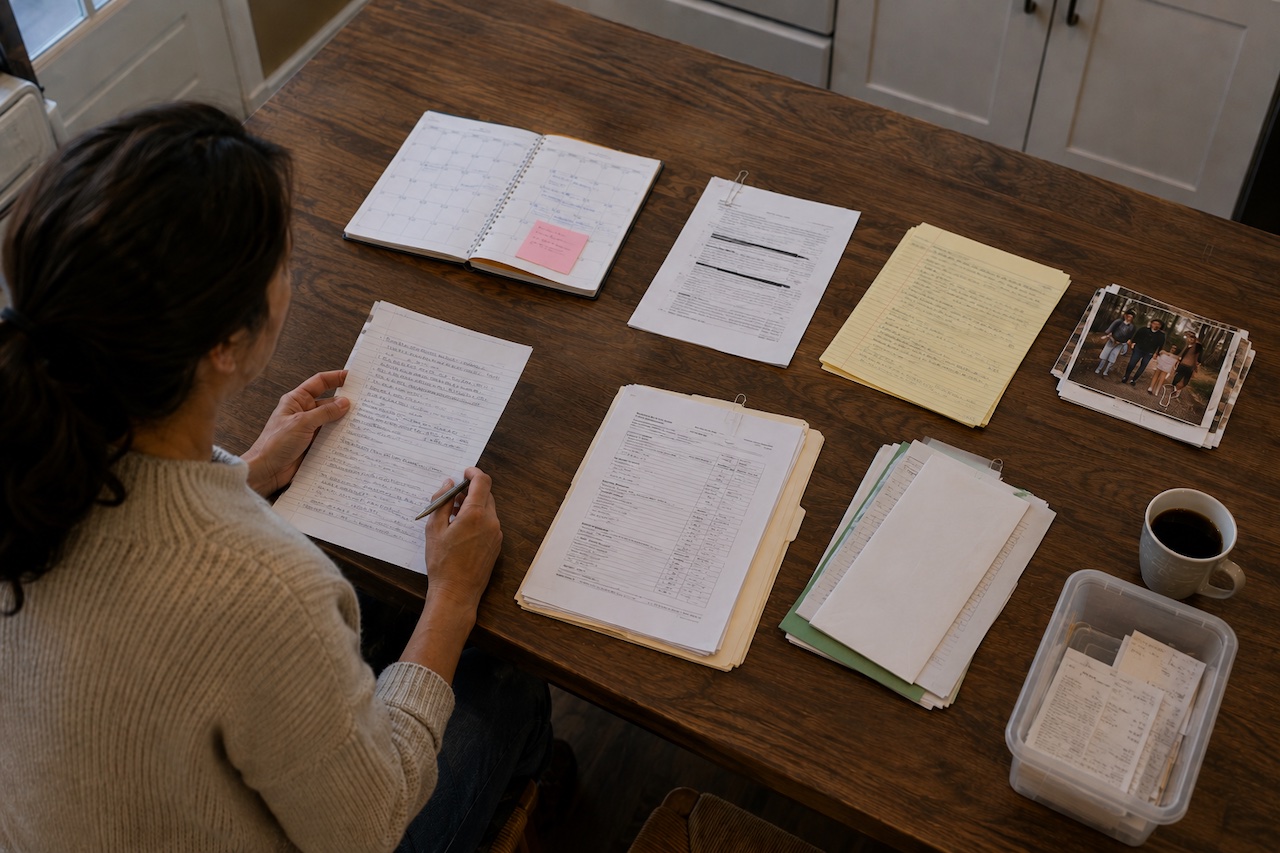
Our New Jersey DCPP Attorneys Explain How To Prepare
A call or a knock at the door from a Division of Child Protection and Permanency (DCPP) caseworker can leave a parent feeling caught completely off guard. Scheduling that first meeting with an attorney often happens quickly, sometimes within days of learning about an investigation. Being prepared for that meeting can shape how effectively your attorney protects your family from the start.
Our New Jersey DCPP attorneys at Williams Law Group, LLC can walk you through what to gather before that first conversation takes place. Missing a document is not the end of the world. Even so, arriving prepared often means your attorney can begin assessing the situation and developing a strategy immediately.
Why Does Bringing The Right Documents To Your First Meeting Matter?
A DCPP investigation moves on its own timeline, one that is often faster than a parent expects. Caseworkers may schedule interviews, home visits or family team meetings within days of opening a case. Your attorney needs accurate information quickly to respond to whatever comes next.
Every piece of paperwork connected to your case can matter to your attorney. This holds true even for documents that seem minor at first glance. A caseworker's business card or a form you signed without fully understanding it can both become relevant later in the investigation.
Arriving prepared does not mean you need every document perfectly organized in a binder before the meeting. It simply means gathering what you have access to beforehand. Your attorney can then spend that first meeting building strategy, rather than reconstructing a timeline from memory alone.
What Written Communication From DCPP Should You Bring?
Any letter, notice or form DCPP has already sent you belongs at the very top of your list of things to gather beforehand. This includes formal notices of an investigation. It also includes a safety protection plan, a case plan or any paperwork requesting your signature.
Bring the caseworker's name, phone number and any email correspondence you have exchanged with the Division so far in the process. This information helps your attorney understand who is handling your case. It also clarifies what has already been communicated on your behalf or against you.
If DCPP has scheduled a hearing, an interview or a home visit, bring the date and time with you to the meeting. Include any instructions you received in writing beforehand. Missing a scheduled event can create serious complications, so your attorney needs this information immediately.
What Personal And Family Information Should You Prepare?
Your attorney needs a clear picture of your family situation from the very outset of the case. This helps them understand how DCPP's involvement may affect custody, visitation and daily life going forward. Gathering this information beforehand saves valuable time during your first meeting. Consider bringing:
- Custody orders or agreements – Any existing court orders regarding custody, visitation or parenting time, since DCPP involvement can affect these arrangements significantly.
- List of everyone DCPP has contacted – Names of teachers, doctors, relatives or neighbors the Division may have already spoken with about your family.
- Basic family information – Names, ages and school information for each child in your household, along with any relevant medical or educational needs.
- Your own account of events – A written timeline, in your own words, describing what happened and when, while the details remain fresh in your memory.
Bringing this information does not mean your attorney expects a polished presentation from you at this early stage of the case. Even rough notes scribbled on paper can give your attorney a meaningful head start on understanding your family's specific situation.
What Questions Should You Ask During This First Meeting?
A first meeting works both ways. Your attorney gathers information from you throughout the conversation, but you should also come prepared with questions about what happens next.
Ask what your rights are during any upcoming interviews or home visits with DCPP caseworkers. Ask whether you are required to answer every question a caseworker asks you. Many parents assume full cooperation is always required, when the reality can be more nuanced than that.
Ask what a realistic timeline looks like for your case. Ask what outcomes are possible depending on how the investigation unfolds. A clear answer, even one with some uncertainty built in, can ease some of the anxiety that comes with this process.
What Other Documents Can Help Your Attorney Build Your Case?
Beyond the basics, certain additional documents can strengthen your position. This depends on the specific allegations involved in your case. These materials are not always required. Even so, they may prove useful once your attorney understands the full picture. Consider gathering:
- Medical records – Records relevant to any injury or medical concern raised in the allegations, particularly if a child's condition has an established medical explanation.
- School records – Attendance records, report cards or communication from teachers that may support your account of your child's wellbeing and daily routine.
- Character references – Names of people willing to speak to your parenting, such as family members, coaches or clergy who know your household well.
- Photos or communications – Text messages, emails or photos relevant to the specific incident or allegation DCPP is investigating in your case.
Not every case requires every document on this list to move forward. Your attorney can help you determine what actually matters once you explain the situation. Bringing what you can still gives your attorney more information to work with from day one.
How Can A New Jersey DCPP Attorney Help Me?
Facing a DCPP investigation in New Jersey is stressful enough on its own. You should not also have to wonder whether you are walking into your first legal meeting empty-handed. The right preparation can make a real difference in how quickly your attorney can start protecting your family.
Our New Jersey DCPP attorneys at Williams Law Group, LLC help parents across New Jersey prepare for a DCPP investigation or this kind of meeting every day. That holds true no matter where you currently stand in the DCPP process.
You do not have to face DCPP alone or guess at what to bring with you. Contact us today. We can put our knowledge and experience of New Jersey's child welfare system to work for you. We can answer your questions, explain your options and help prepare you for your first DCPP meeting.
"At first I was unsure of typing in the chat box, but I am so happy I did!! This firm specializes in custody cases, grandparents' rights, and DCP&P (Department of Children's Protection & Permanency), which is what my cases consist of. The Williams Law Group immediately contacted me within 24 hours to gather information and set up a Zoom meeting to discuss the case in detail." - Christina P., ⭐⭐⭐⭐⭐