
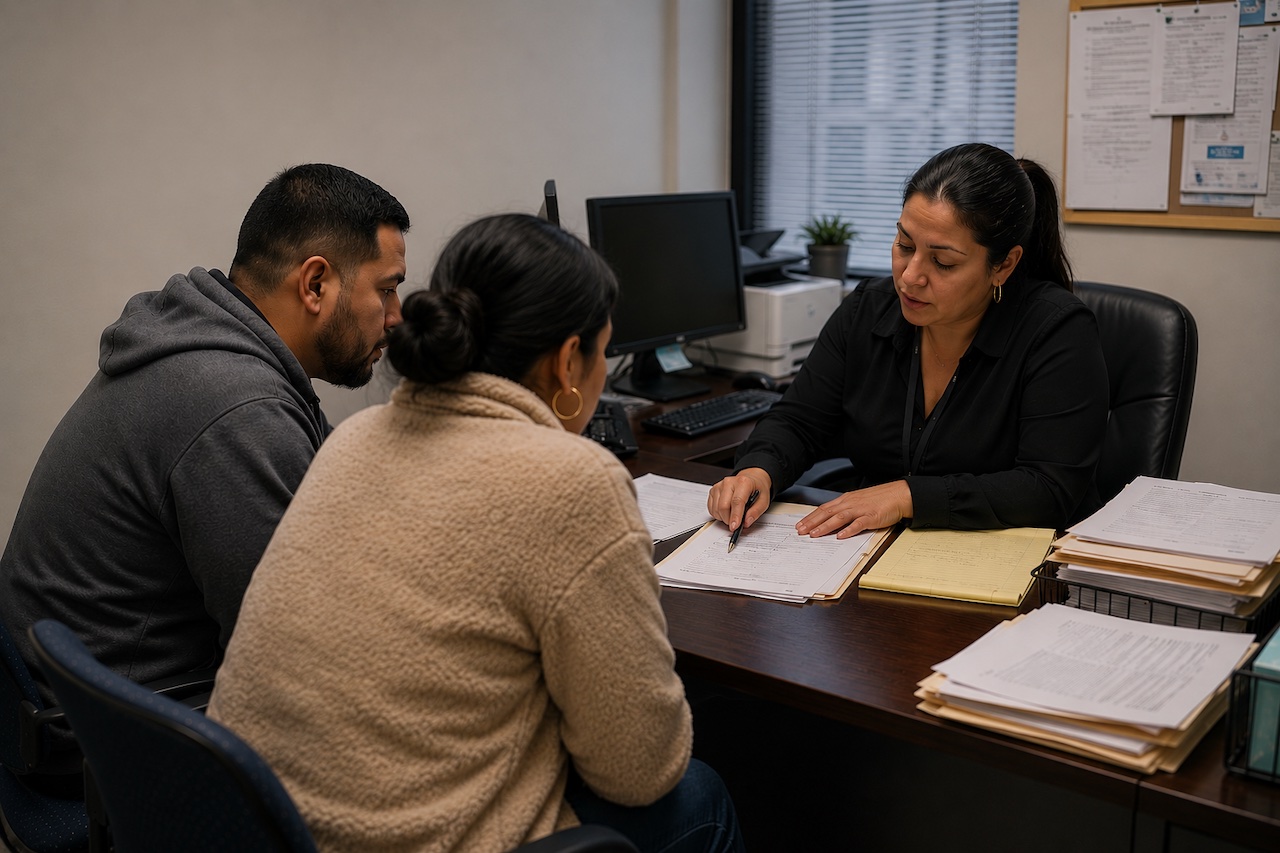
Our New Jersey DCPP Attorneys Explain What Parents Need To Know
When the Division of Child Protection and Permanency (DCPP) opens a case involving a New Jersey family, removal is not always the first step. In many situations, the caseworker instead proposes a Child Safety Protection Plan, a document that allows the child to remain in the home under specific conditions the parents are expected to follow. Most parents initially see this as good news. The child stays home. The family stays together. All you have to do is sign the document.
What many parents do not realize until later is that signing a Safety Protection Plan can have consequences extending far beyond the immediate situation. So what is a Safety Protection Plan? What are you agreeing to? What happens if you do not comply? And what rights do you have before you sign anything? Our New Jersey DCPP attorneys at Williams Law Group, LLC explain how these plans work and why having an attorney review one before you sign can significantly affect how your case develops.
What Is A Child Safety Protection Plan?
A Child Safety Protection Plan is an agreement between DCPP and a child’s parents or guardians. It identifies the safety concerns the agency believes place the child at risk and outlines the specific steps parents must take to address those concerns while the child remains in the home. Under N.J.S.A. 9:6B-4(a), the state is required to make reasonable efforts to avoid unnecessary family separation whenever possible. A Safety Protection Plan is one of the primary tools DCPP uses to meet that obligation.
DCPP describes the plan as a negotiated agreement between the caseworker and the family. In practice, many parents experience it differently. When parents are frightened about potentially losing custody of their child, signing can feel less like a negotiation and more like something they have no real choice but to accept. But cooperation is not the same as giving up your rights. Parents can review the proposed terms carefully, ask questions, challenge unreasonable conditions, and consult with an attorney before agreeing to anything.
Under N.J.A.C. 3A:10-3.2, the DCPP regulation governing safety assessments, a Safety Protection Plan is required whenever a caseworker identifies safety concerns in the home but determines removal is not immediately necessary. The plan must be specific, include monitoring provisions, and reflect realistic expectations for the family. If the terms are unreasonable or unclear, parents may struggle to comply, which can create additional problems later in the investigation.
Who Creates A Child Safety Protection Plan?
The assigned DCPP caseworker develops the plan in consultation with a supervisor. According to DCPP policy, supervisors must be notified within five days after the plan is implemented. The caseworker identifies the safety concerns they believe exist, determines what conditions they believe are necessary to address those concerns, and drafts the requirements accordingly.
Parents are expected to participate in that process. The plan is supposed to be collaborative rather than purely imposed by the agency. In reality, however, parents facing the possibility of losing custody are often under intense emotional pressure and may sign documents they do not fully understand. Without legal guidance, many parents agree to conditions they cannot realistically meet or overlook language that may later be used against them in court proceedings.
DCPP does not need a court order to propose a Safety Protection Plan. It is an administrative tool the agency can use during an active investigation without immediate judicial involvement. That is one reason why early legal guidance matters so much. Once the plan is signed, DCPP expects compliance with its terms.
What Do Child Safety Protection Plans Typically Cover?
The contents of a Safety Protection Plan depend on the allegations involved and the concerns identified during the investigation. There is no universal template. The conditions are tailored to the issues the caseworker believes exist within the household.
Common conditions parents may be asked to agree to include:
- Exclusion Of A Specific Person From The Home: If the allegations involve one parent or another household member, DCPP may require that individual to leave the home or avoid unsupervised contact with the child.
- Substance Abuse Evaluation And Treatment: If drug or alcohol use is identified as a concern, parents may be required to undergo evaluations, submit to testing, attend counseling, or participate in treatment programs.
- Parenting Classes Or Counseling: Plans often require participation in parenting education, anger management, therapy, or related services within a specified timeframe.
- Housing And Home Conditions: If the home environment is identified as unsafe, the plan may require repairs, cleaning, or other changes to the living conditions.
- Supervision Restrictions: DCPP may require that the child not be left alone with a particular individual or that another adult supervise certain interactions.
- Caseworker Monitoring: The plan usually outlines how DCPP will monitor compliance, including home visits and ongoing check-ins.
Every condition in the plan can carry consequences if DCPP believes the family is not complying. Before signing, parents should fully understand what each provision requires and how it could affect the broader investigation.
What A Safety Protection Plan Does Not Do
Safety Protection Plans address immediate concerns identified during the investigation. They do not permanently resolve the DCPP case, determine whether abuse or neglect occurred, or guarantee that DCPP will close the matter once the plan is completed.
Signing a plan is not necessarily the same as formally admitting abuse or neglect. However, the language used in the agreement, including the identified concerns and conditions imposed, can later become relevant in custody proceedings, family court litigation, or future DCPP hearings. A condition requiring one parent to leave the home, for example, may later be referenced in disputes involving custody or parental fitness.
Safety Protection Plans also do not resolve any related criminal investigation. If the allegations involve potentially criminal conduct, DCPP’s investigation is separate from any investigation conducted by law enforcement or prosecutors. Statements made to caseworkers may still affect other legal proceedings.
Are Child Safety Protection Plans Legally Enforceable?
Once both parties sign a Safety Protection Plan, DCPP expects the family to comply with its terms. Caseworkers actively monitor compliance through check-ins, home visits, and ongoing investigation activity. If DCPP believes the plan is not being followed, the agency may seek court involvement.
If a caseworker determines that the child’s safety is still at risk, DCPP can petition the New Jersey Family Court for additional orders. Depending on the circumstances, that may include modifications to the plan, restrictions on parental contact, temporary removal of the child, or more serious proceedings affecting parental rights. DCPP policy also provides that when a parent voluntarily agrees to place a child with another caregiver as part of a plan, the agency generally cannot restrict parental access for more than ten days without seeking court approval.
The legally significant nature of these plans is one reason careful review matters so much. Terms that may seem routine during an emotional conversation with a caseworker can later become important evidence in court proceedings.
Can A Child Safety Protection Plan Be Changed?
According to DCPP policy, Safety Protection Plans do not automatically expire on a specific date. They generally remain in effect until DCPP determines that the identified concerns have been addressed. If circumstances change, however, the plan may be revisited or modified.
Parents can request changes if they experience significant developments involving employment, housing, health, or other circumstances affecting compliance. Communicating those changes early and documenting them carefully is far better than simply falling out of compliance without explanation. Courts and caseworkers often view documented good-faith efforts differently from silence or repeated violations.
An attorney can help parents request modifications, document changing circumstances, and communicate with DCPP in a way that better protects the family’s interests. Caseworkers often have discretion in how they respond to evolving situations, and legal representation can help ensure the family’s concerns are taken seriously.
How Can A New Jersey DCPP Attorney Help?
A Safety Protection Plan may appear designed simply to keep families together, and in many cases it does. But it is also a legal document drafted during an active DCPP investigation. Signing it without fully understanding the terms can create long-term consequences that many parents do not anticipate.
Our DCPP attorneys at Williams Law Group, LLC review Safety Protection Plans before parents sign them. We identify unclear or unreasonable conditions, language that may create future legal problems, and terms that should be negotiated before the agreement is finalized. We represent families throughout the DCPP investigation process, from the first caseworker contact through any court proceedings that follow.
If DCPP has presented you with a Safety Protection Plan or opened an investigation involving your family, contact us before signing anything. Our attorneys proudly represent families throughout New Jersey from offices in Parsippany, Short Hills, Hoboken, Tinton Falls, Cranford, and Saddle Brook.
"Williams Law Group is relentlessly dedicated to making sure people feel heard and supported in an extremely difficult system. I have recommended them to several others and have not heard a single disappointment." – Karen R., ⭐⭐⭐⭐⭐