
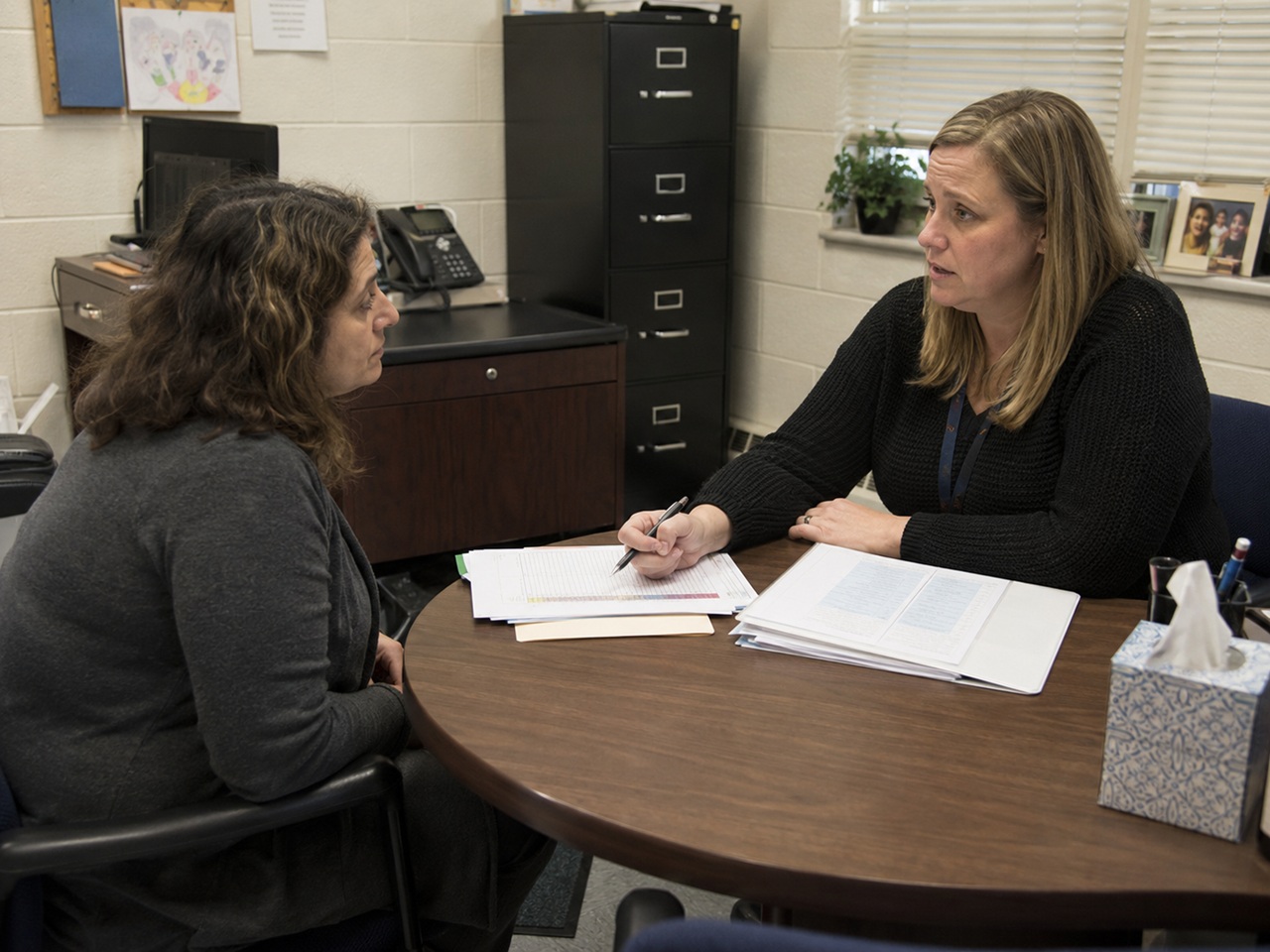
A DCPP Educational Neglect Investigation Examines Attendance, School Records, And The Reasons Behind Absences
A school attendance problem can become a child welfare investigation faster than many parents expect. A teacher, counselor, attendance officer, relative, or another concerned person may report suspected educational neglect to New Jersey's Division of Child Protection and Permanency (DCPP).
At Williams Law Group, LLC, we represent parents throughout New Jersey during DCPP investigations. A referral doesn't automatically prove neglect. DCPP must determine whether the attendance problem reflects a willful failure to provide education or whether illness, disability, bullying, transportation, housing instability, or another issue explains the absences.
New Jersey Requires Children Ages 6 Through 16 To Receive An Education
Under New Jersey's compulsory education law, parents and guardians generally must ensure that children between ages 6 and 16 regularly attend public school, attend another school providing equivalent instruction, or receive equivalent instruction elsewhere.
New Jersey's neglect laws also recognize a willful failure to provide legally required education as a potential form of neglect. The word willful matters. A short absence caused by illness isn't the same as repeated unexplained absences combined with a parent's refusal to address the problem.
DCPP should examine why the child missed school, what the parent knew, what steps the parent took, and whether the child was actually deprived of an appropriate education.
School Attendance Concerns Often Trigger The Referral
New Jersey law requires any person with reasonable cause to believe a child has been abused or neglected to report the concern. School employees frequently make educational neglect referrals because they see attendance records, academic performance, and efforts to contact the family.
Schools also have procedures for identifying the cause of unexcused absences and developing interventions. These may include contacting parents, holding meetings, evaluating academic or health needs, and connecting families with services. A DCPP report may follow when staff believe the absences reflect possible neglect.
DCPP Reviews Records And Interviews The Family
Not every hotline call becomes a full investigation. DCPP first screens the report to determine whether the allegations, if true, could meet New Jersey's definition of abuse or neglect. If accepted, the response can begin quickly based on the level of concern.
During an educational neglect investigation, a caseworker may:
- Request attendance records, grades, and communications between the school and parent.
- Speak with teachers, counselors, medical providers, or others familiar with the child.
- Interview the parent and child about the absences.
- Visit the home and evaluate whether other concerns exist.
- Review medical conditions, special education needs, bullying, transportation problems, or family emergencies that may explain the attendance pattern.
Parents should gather records early. Medical notes, school emails, Individualized Education Program documents, transportation complaints, and proof of attempted interventions can provide context that attendance numbers don't show.
Homeschooling Is Lawful, But Equivalent Instruction Must Exist
New Jersey permits parents to educate a child at home through “equivalent instruction elsewhere than at school.” The state generally doesn't require advance approval, teacher certification, or routine district review of a homeschool curriculum.
Homeschooling alone isn't evidence of neglect. Questions can arise, however, if a district or DCPP receives credible information suggesting that instruction isn't occurring. Coursework, schedules, assignments, and educational materials may help document an active home education program.
DCPP Must Issue One Of Four Findings
DCPP generally seeks to complete an investigation within 60 days. An office manager may approve 30-day extensions for good cause when the investigator is still trying to confirm important information.
At the end, DCPP assigns one of four investigation findings:
- Unfounded: The evidence doesn't support abuse or neglect and indicates the child wasn't harmed or placed at risk.
- Not Established: The evidence doesn't prove abuse or neglect by a preponderance, but some evidence indicates harm or risk.
- Established: The evidence supports abuse or neglect, but the circumstances don't meet the standard for substantiation.
- Substantiated: The evidence supports abuse or neglect and includes circumstances serious enough to warrant the agency's highest-level finding.
The consequences and options for challenging a finding differ. Parents should review the written notice promptly rather than assuming the matter is over once the interviews stop.
Legal Guidance Can Protect Your Rights During The Investigation
Educational neglect cases often involve more than attendance numbers. A lawyer can help explain the absences, organize supporting records, prepare parents for interviews, communicate with DCPP, and respond when a caseworker's conclusions don't match the evidence.
Our DCPP attorneys at Williams Law Group, LLC understand how quickly an educational issue can expand into a broader investigation. We work to make sure DCPP considers the full picture before reaching a finding.
If DCPP is investigating your family for educational neglect, contact us before your next interview or document request. Early legal guidance can help you respond clearly and protect your family's rights.
"I was impressed with the level of communication, dedication and quality of service provided by this firm. Gene is an extremely knowledgeable, helpful and organized professional. His professional connections and legal acumen makes him an incredible attorney." - Christine H., ⭐⭐⭐⭐⭐