
What Should You Do If Someone Makes a False DCPP Report Against You in New Jersey?
Alvin Eugene Richards III, Esq.
Our New Jersey DCPP Attorneys Defend Parents Against False Reports
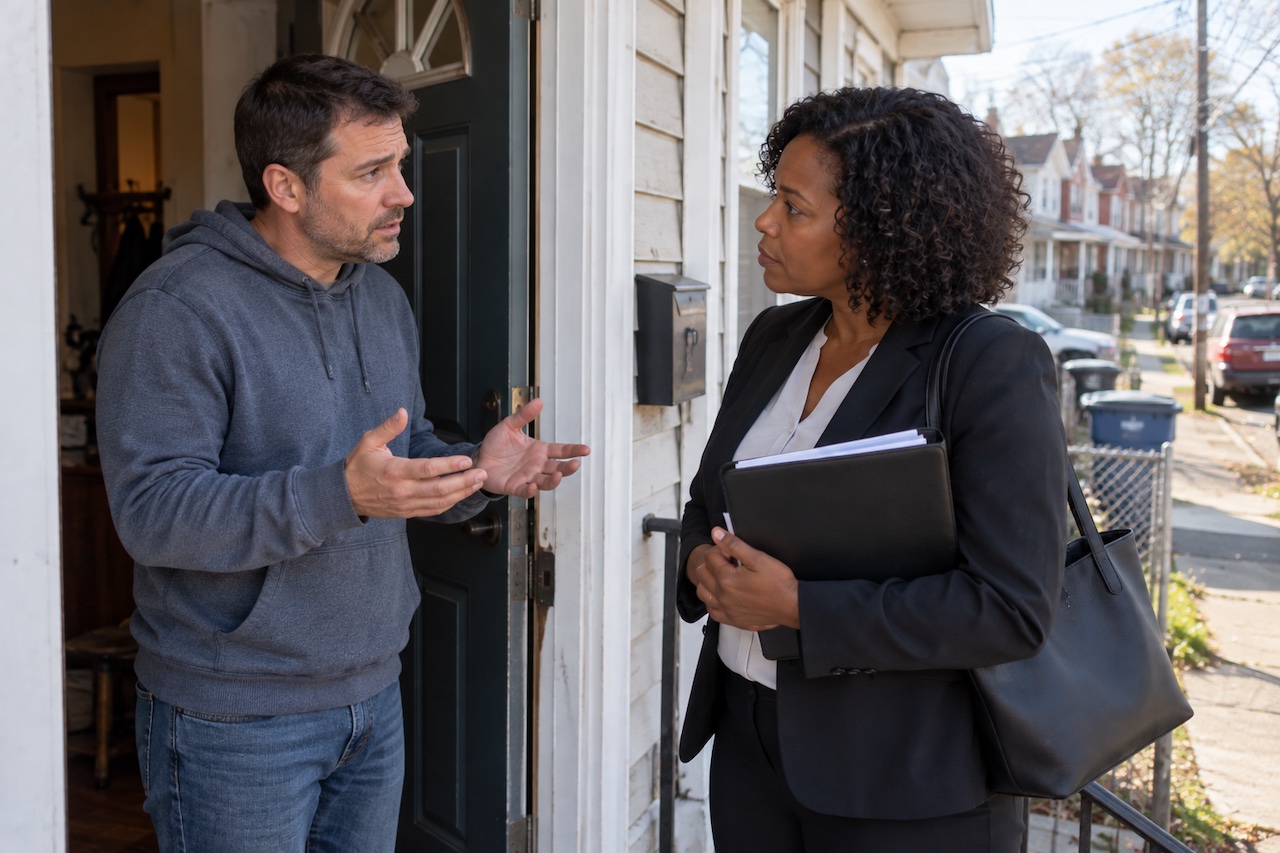
A caseworker from the Division of Child Protection and Permanency (DCPP) calls or shows up at your door. At first, you have no idea why. Then you learn a former spouse, a relative or a neighbor called in a report about your parenting. The allegations may be exaggerated, taken out of context, or invented entirely. Even so, DCPP may still have to investigate the allegations if the report meets the criteria for a child abuse or neglect investigation.
New Jersey law provides broad civil and criminal immunity to people who make child abuse reports pursuant to the state's reporting law under N.J.S.A. 9:6-8.13. The protection is designed to encourage people with reasonable cause to suspect child abuse to report their concerns rather than remain silent.
Our New Jersey DCPP attorneys at Williams Law Group, LLC represent parents who believe a report against them was false or exaggerated. Some believe it was filed purely out of spite. We know how frightening it feels to be investigated over something you did not do. As a result, we help clients respond to DCPP correctly while protecting their position in any related family court matter.
How Does DCPP Evaluate a Report It Receives?
Every report to DCPP first goes through the State Central Registry. That term refers to the hotline that screens incoming calls. A screener decides whether the allegations, if true, would meet the legal definition of abuse or neglect. If so, the report becomes an active investigation assigned to a local office.
DCPP does not investigate the reporter's motive at this early stage. The screening process asks only whether the allegations describe conduct the law defines as abuse or neglect. A report driven entirely by spite can still open a full investigation. This happens whenever the underlying allegations meet that legal threshold on their face.
This screening step explains why a false report still moves forward. DCPP must treat every qualifying allegation seriously. The agency cannot know in advance which reports are accurate and which are not. That structure protects children, even though it can feel deeply unfair to a parent who was falsely accused.
What Happens During a DCPP Investigation Itself?
Once a report becomes an active investigation, a caseworker typically visits the home. They interview the parents, the child and anyone else with relevant knowledge of the family. The caseworker also reviews available records, including school, medical or prior DCPP history involving the household. This process can take several weeks to complete.
Parents sometimes assume cooperating with this process signals guilt. Parents should take the investigation seriously, respond appropriately, and consider consulting an attorney before making decisions that could affect their rights. Providing accurate information and relevant documentation can help ensure that DCPP has a fuller picture of the circumstances.
What Are the Different DCPP Investigation Findings?
DCPP generally has 60 days to complete an investigation and issue a finding. The agency can request additional time when needed. The finding then gets classified as substantiated, established, not established or unfounded.
- Substantiated Finding – DCPP determined by a preponderance of the evidence that abuse or neglect occurred and that the circumstances warranted substantiation under DCPP’s regulations.
- Established Finding – DCPP determined by a preponderance of the evidence that abuse or neglect occurred, but the circumstances did not warrant a substantiated finding.
- Not Established Finding – The evidence does not establish abuse or neglect by a preponderance of the evidence, although there may be evidence that the child was harmed or placed at risk of harm.
- Unfounded Finding – The evidence indicates that the child was not harmed or placed at risk of harm.
These classifications often depend on the evidence the caseworker gathered during the review window. Each label carries different consequences for the parent involved. This is why it is important for parents to take a DCPP investigation seriously right from the start.
What Evidence Can Help Challenge an Inaccurate Report?
Parents facing a false report should not simply wait for DCPP to reach its own conclusion. Gathering relevant documentation early can help preserve evidence, provide DCPP with additional context, and support your position throughout the investigation and any later proceeding:
- Text Messages or Emails – Communications with the reporting party can sometimes reveal a motive behind the allegations, such as an ongoing custody dispute.
- School and Medical Records – Records showing your child's attendance, health and development can directly contradict specific claims made in the report.
- Witness Statements – Teachers, coaches, babysitters or relatives who regularly observe your parenting can describe what they have actually seen.
- Photographs or Home Documentation – Current images of your home and living conditions can counter claims about unsafe or neglectful conditions.
- Prior Custody or Parenting Time Records – Existing court orders can show the reporting party's history of conflict with you.
None of this evidence guarantees a favorable finding on its own. Presented clearly and organized well, though, it can give the caseworker a fuller picture than the original report alone provided. That fuller picture can help DCPP evaluate the allegations in context.
Why Must You Still Take a DCPP Investigation Seriously?
Some parents assume that because a report is false, the investigation itself carries no real risk. That assumption can lead to serious mistakes along the way. A caseworker may document a parent's responses, the information provided, and any concerns that arise during the investigation, regardless of the original allegations.
DCPP has authority to take protective action while an investigation remains open. That can include requesting a safety plan or, in more serious cases, seeking a court order. These steps can happen even before the agency reaches a final finding on the underlying allegations themselves.
Treating the investigation as a formality, rather than engaging with it directly, can create real consequences. This holds true independent of whether the original report was ever true. Responding appropriately and providing relevant documentation can help ensure that DCPP has accurate information when evaluating the allegations.
Can You Take Legal Action Against Someone Who Filed a False Report?
New Jersey law provides broad immunity from civil and criminal liability for people who make reports pursuant to the state's child abuse reporting law. As a result, the fact that DCPP ultimately determines that allegations were unfounded does not automatically give the accused parent a viable lawsuit against the person who made the report.
There can be unusual circumstances in which someone's use of the DCPP reporting process becomes relevant to other legal claims or proceedings. For example, New Jersey courts have addressed allegations that DCPP reports were deliberately used as a means of harassment in a domestic violence case. Whether any separate legal remedy is available depends heavily on the particular facts and the nature of the conduct involved.
A parent who believes someone knowingly fabricated allegations should therefore speak with an attorney before assuming that a defamation or other civil claim is available.
How Do False Reports Intersect With a Custody Dispute?
A DCPP report may also arise during a contested child custody case. In some cases, a report may occur around a hearing, parenting time dispute, or other conflict between the parents.
When a report arises during ongoing custody litigation, the timing and surrounding circumstances may become relevant. Evidence showing a pattern of reports connected to custody disputes or other conflicts may provide context for the court, depending on the circumstances.
A parent facing this situation should make sure the court receives accurate information about both the DCPP outcome and any relevant surrounding circumstances. An unfounded finding does not automatically resolve the custody issue, but it can provide important context when the allegations are also being raised in family court.
What Steps Should You Take Right Now?
Parents who believe they are facing a false DCPP report should act deliberately rather than reacting out of anger or fear. The following steps can help protect both your family and your legal position from the very start of this process, before emotions take over:
- Respond Appropriately to the Caseworker – Take requests from DCPP seriously, provide accurate information, and consult an attorney if you have questions about your rights or how to respond.
- Avoid Confronting the Reporting Party Directly – Direct confrontation can escalate the situation and may be used against you later in court.
- Keep a Written Timeline of Events – Recording dates, interactions and any pattern behind the report can help your attorney identify possible motive.
- Retain a Family Lawyer Early – An attorney can communicate with DCPP on your behalf and coordinate any related custody matter at the same time.
- Preserve All Relevant Communications – Save texts, emails and messages that may show context DCPP or a judge would want to see.
Taking these steps early does not guarantee a particular outcome. These steps can help you respond to the investigation in an organized and informed way. A well-documented response protects both your family and your credibility with the court in the long run.
How Can a New Jersey DCPP Lawyer Help If You Are Falsely Accused?
Facing a DCPP investigation over allegations you believe are false is stressful and upsetting. This holds true even when you know the truth is on your side. Parents in this position are often managing the DCPP process, a child custody case and many other issues at the same time.
Our New Jersey DCPP lawyers at Williams Law Group, LLC help clients respond to DCPP accurately from the very first contact. We work to make sure the investigation record reflects the full truth. That means going beyond the version the reporting party presented first, so nothing important gets overlooked.
If someone has filed a report against you that you believe is false, do not wait to see how the investigation unfolds on its own. Contact us so we can help protect your parental rights and your family's future from the very start of this process.
Click here for a printable PDF of this article, "What Should You Do If Someone Makes a False DCPP Report Against You in New Jersey?"