
Safety Planning During Divorce in New Jersey
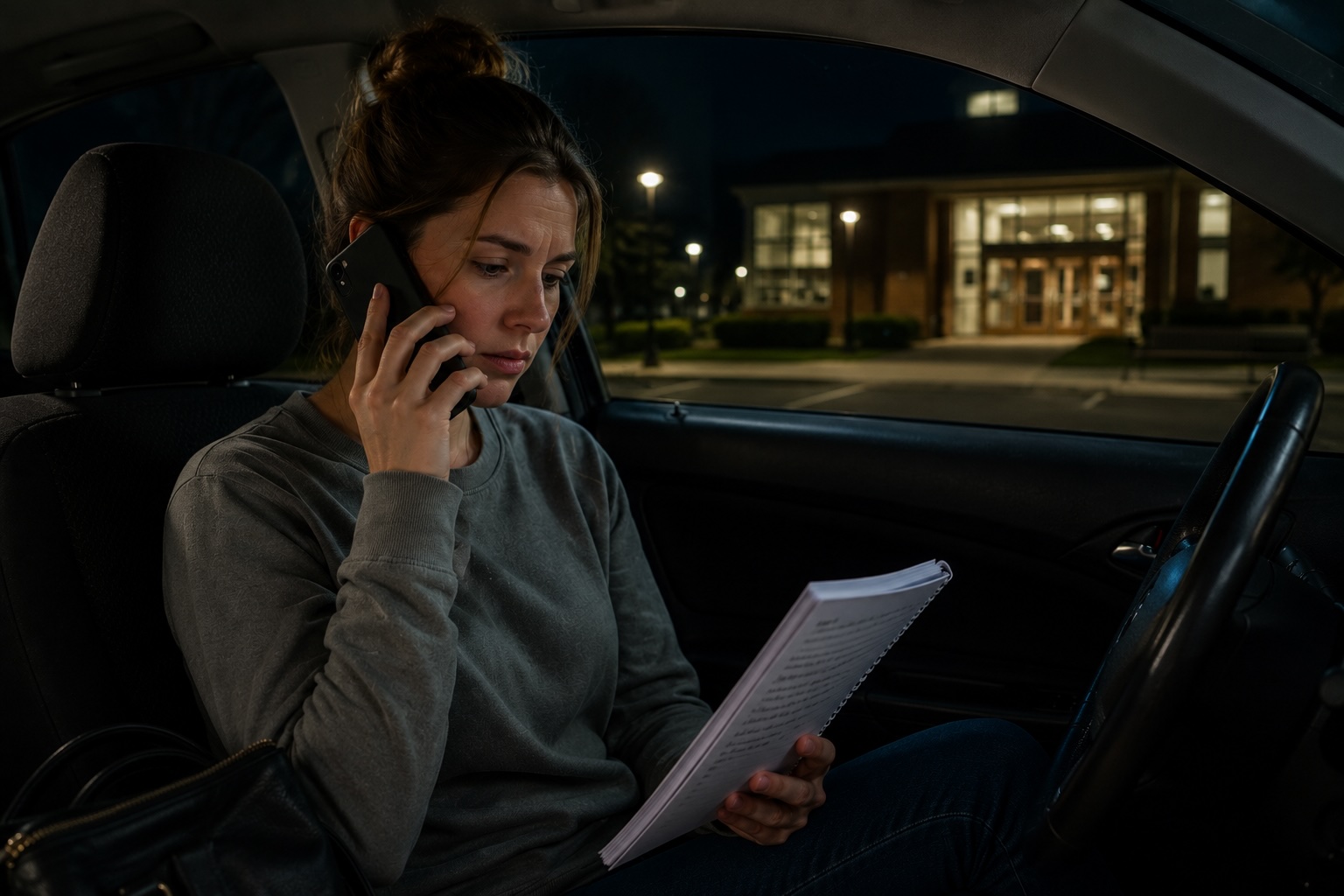
New Jersey Divorce Lawyers Explain How To Create an Effective Safety Plan
Leaving an abusive relationship can become especially dangerous in the weeks leading up to filing for divorce. A partner who senses a loss of control over the relationship can become more volatile, not less, once domestic violence becomes part of a divorce case. Safety planning gives a person facing this risk a concrete, practical way to protect themselves and their children throughout the process, rather than reacting only after a crisis occurs.
Intimate partner violence affects a significant share of the population nationwide. According to the Centers for Disease Control and Prevention (CDC), more than 1 in 3 women and more than 1 in 6 men experience contact sexual violence, physical violence, or stalking by an intimate partner at some point in their lifetimes. That’s why safety planning has become a standard, expected step for many people going through a divorce.
Our New Jersey divorce attorneys at Williams Law Group, LLC regularly help clients build a safety plan alongside their divorce case. As a result, we understand how to sequence the practical steps of filing for divorce, serving papers and appearing in court around a person’s practical safety needs.
What Is a Safety Plan?
A safety plan is a specific, written set of steps a person prepares in advance to reduce danger during a high-risk period. It typically covers where to go in an emergency, what documents and items to keep accessible, and how to communicate safely with an attorney, the court, and trusted contacts.
A safety plan is not the same as a restraining order. It covers the practical, day-to-day steps a restraining order does not, such as where to sleep or how to reach a friend without being tracked. New Jersey’s Prevention of Domestic Violence Act, N.J.S.A. 2C:25-17 et seq., allows a person to pursue a restraining order (a court order that legally requires an abusive partner to stay away and cease contact) through the family courts.
Most people benefit from having both pieces in place at the same time. A restraining order addresses the legal relationship between two people, while a safety plan addresses the physical reality of getting through the next hour, day or week safely.
Why Does Divorce Increase Risk for Some Families?
Filing for divorce can shift a controlling partner’s behavior in dangerous directions. The period immediately before, during and shortly after separation carries elevated risk for many people, particularly when a partner senses that control over the relationship is slipping away for good.
This does not mean every divorce involving conflict is dangerous. Ordinary arguments over money or parenting time are common and rarely escalate into violence on their own.
It does mean that a person with any history of threats, controlling behavior or prior violence should take safety planning seriously well before papers get filed. Waiting until a conflict escalates can leave far fewer safe options available.
What Should a Safety Plan Include?
Every family’s situation looks different, but most safety plans address a similar core set of concerns. A plan built around these categories tends to hold up well under real pressure. Common elements often include:
- A Safe Place to Go – Identify a specific location, such as a friend’s home or a shelter, that the other partner does not know about or cannot easily reach.
- Important Documents – Keep copies of identification, financial records, custody orders and any prior police reports somewhere accessible outside the home.
- A Communication Plan – Establish a safe way to reach an attorney or trusted contact that the other partner cannot monitor or intercept.
- Financial Access – Set aside emergency funds or open a separate account not visible to the other partner, where doing so is safe and lawful.
- A Plan for Children – Prepare a plan for safely gathering children during an emergency, including what to tell a school if needed.
No single plan fits every household, and a generic checklist rarely reflects an actual family’s risks. A plan should address the specific dangers a person is facing, built with input from an attorney or advocate familiar with the situation.
How Does Technology Factor Into Safety Planning?
Shared devices, accounts and location-sharing features can quietly undermine an otherwise careful safety plan. A partner with access to a shared phone plan, email account, or vehicle tracking app may be able to monitor movements or communications without the other person realizing it.
Reviewing account access, changing passwords from a safe device, and disabling location sharing on shared family plans are worth doing early, ideally before the other partner knows a divorce is coming. Sequencing matters here, since changing everything at once can sometimes alert a controlling partner before it is safe to do so.
An attorney familiar with these situations can help plan the order of these steps. Even minor lapses in small technical details and considerations can derail otherwise solid and well thought-out safety plans. This is why it’s important to carefully consider how technology could potentially impact someone’s safety plan.
How Does a Restraining Order Fit Into a Safety Plan?
Yes, a restraining order can meaningfully support a broader safety plan. Under the Prevention of Domestic Violence Act, a New Jersey family court can order an abusive partner to stay away from a person, a home or a workplace. Violating that order becomes a separate criminal matter, giving law enforcement a direct basis to intervene.
A restraining order works best as one part of a broader plan, not a replacement for one. Court orders take time to enforce in the moment, so the practical steps in a safety plan, such as knowing exactly where to go and who to call, remain just as important even after a restraining order is granted.
How Can an Attorney Help With Safety Planning During Divorce?
Filing for divorce while managing safety concerns requires careful sequencing that a generic approach to New Jersey family law simply cannot provide. When and how papers get filed, served, and scheduled can meaningfully impact a person’s safety, not just the outcome of the case itself.
Our New Jersey divorce attorneys at Williams Law Group, LLC know how to coordinate the legal side of a divorce with a client’s safety planning concerns and goals. We help clients pursue a restraining order when appropriate, request supervised exchanges for children, and structure court filings in ways that reduce unnecessary contact with an abusive partner.
You deserve to move through your divorce safely, on your own terms. Contact us if you are planning to leave a relationship that feels unsafe, or are already divorcing an abusive partner. We’re on your side, and we can help you build a legal strategy that prioritizes your safety and well-being.
If you are in immediate danger, call 911. The National Domestic Violence Hotline is available 24 hours a day, 7 days a week at 1-800-799-7233 or thehotline.org. The New Jersey Coalition To End Domestic Violence can also be reached at (800) 572-7233.
Click here for a printable PDF of this article, “Safety Planning During Divorce in New Jersey.”